How to Actually Modify a Workout Routine When You're Living With Chronic Pain
Quick Answer: Building a workout routine around chronic pain works better with a tiered system — a full-effort version, a modified version, and a minimal ‘something is better than nothing’ version of each planned session — chosen day-to-day based on actual pain level, rather than a single fixed plan that either gets pushed through on a bad day or abandoned entirely.
Generic advice to ‘listen to your body’ is true but not very actionable when pain levels genuinely vary day to day — a tiered system turns that vague advice into something concrete to actually use.

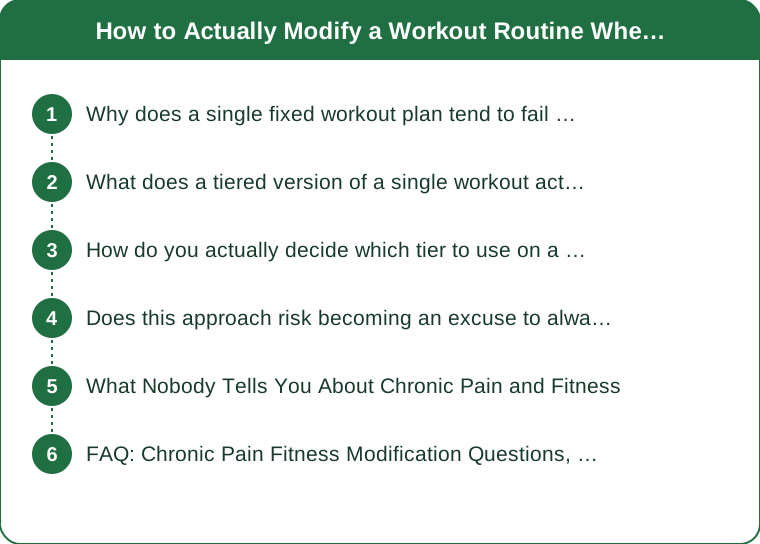
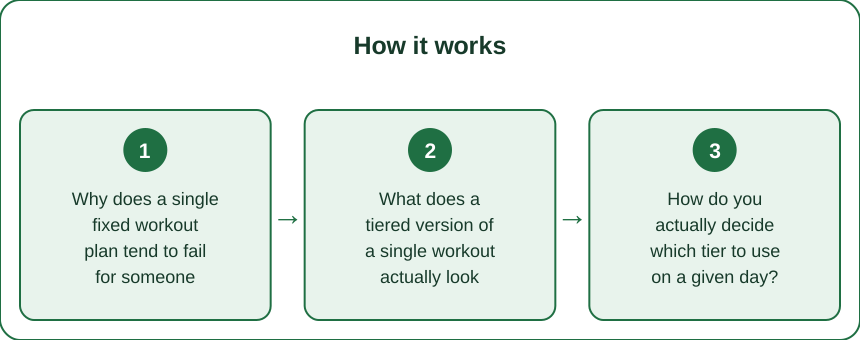
Why does a single fixed workout plan tend to fail for someone managing chronic pain?
A rigid plan assumes a consistent baseline capacity, but chronic pain conditions frequently involve real day-to-day variability — a session planned for a ‘good day’ becomes either painfully pushed-through or entirely skipped on a harder day, and repeated skipping often leads to abandoning the routine altogether rather than adapting it.
What does a tiered version of a single workout actually look like in practice?
For a planned lower-body session, for example: full-effort might be a set of squats and lunges at normal load; modified might be the same movements with reduced range of motion or added support (holding onto something for balance); minimal might be a few minutes of gentle seated leg movement — the point is having a real, planned option at every level rather than an all-or-nothing choice.
How do you actually decide which tier to use on a given day?
A quick, honest personal check-in at the start of the planned session — current pain level, energy, and how the body feels moving through a very light warm-up — informs which tier makes sense that day, rather than deciding in advance or forcing through the planned tier regardless of how the day is actually going.

Does this approach risk becoming an excuse to always choose the easiest tier?
This is a fair concern, and the honest answer is it can, for some people — building in a bit of accountability (a workout buddy, a coach, or simply tracking which tier gets chosen over time) helps distinguish between a genuine pain-driven choice and habitual under-effort, without judgment either way.
What Nobody Tells You About Chronic Pain and Fitness
A lot of chronic pain and fitness content focuses heavily on either ‘push through it’ messaging or overly cautious ‘rest until pain-free’ messaging, without much middle ground. In practice, many people managing chronic pain conditions find that appropriately modified movement supports function and mood better than either extreme, but finding that middle ground is highly individual and often benefits from working with a physical therapist familiar with the specific condition, not just general fitness content.
FAQ: Chronic Pain Fitness Modification Questions, Answered
Should someone with chronic pain work with a professional before starting a modified routine like this?
Yes, ideally — a physical therapist or doctor familiar with the specific pain condition can help set safe boundaries for the different tiers, which is more reliable than self-designing modifications from general advice alone.
Is it normal for the ‘minimal’ tier to sometimes just mean rest, with no movement at all?
Yes, and that’s a legitimate part of a tiered system — some days chronic pain genuinely calls for rest, and having that built into the system as an accepted option (rather than a failure to stick to the plan) supports long-term sustainability.
How do you know if a specific exercise modification is actually helping versus causing harm?
A modification that produces a brief increase in normal exercise fatigue is generally different from one that produces a sharp increase in the specific chronic pain symptom — any modification that consistently worsens the underlying condition is worth reviewing with a professional. This is general information, not medical advice.
TL;DR:
- A tiered system (full-effort, modified, minimal) turns ‘listen to your body’ into something concrete to actually use
- Deciding which tier to use should happen day-of, based on an honest current check-in, not in advance
- Building in some accountability helps distinguish pain-driven choices from habitual under-effort
- Working with a professional familiar with the specific condition is more reliable than self-designed modifications alone
If your current routine is all-or-nothing, try building out a modified and minimal tier for just one regular session this week. This is general information, not medical advice.
See It in Motion
Seen here: UPF 50+ Racerback Yoga Tank Top — shop it on bubblelime.com
Keep Reading
This article is for general informational purposes only and is not medical advice. It is not a substitute for professional diagnosis or treatment. Always consult a qualified healthcare provider about your individual situation, especially before making significant changes to your diet or exercise routine.