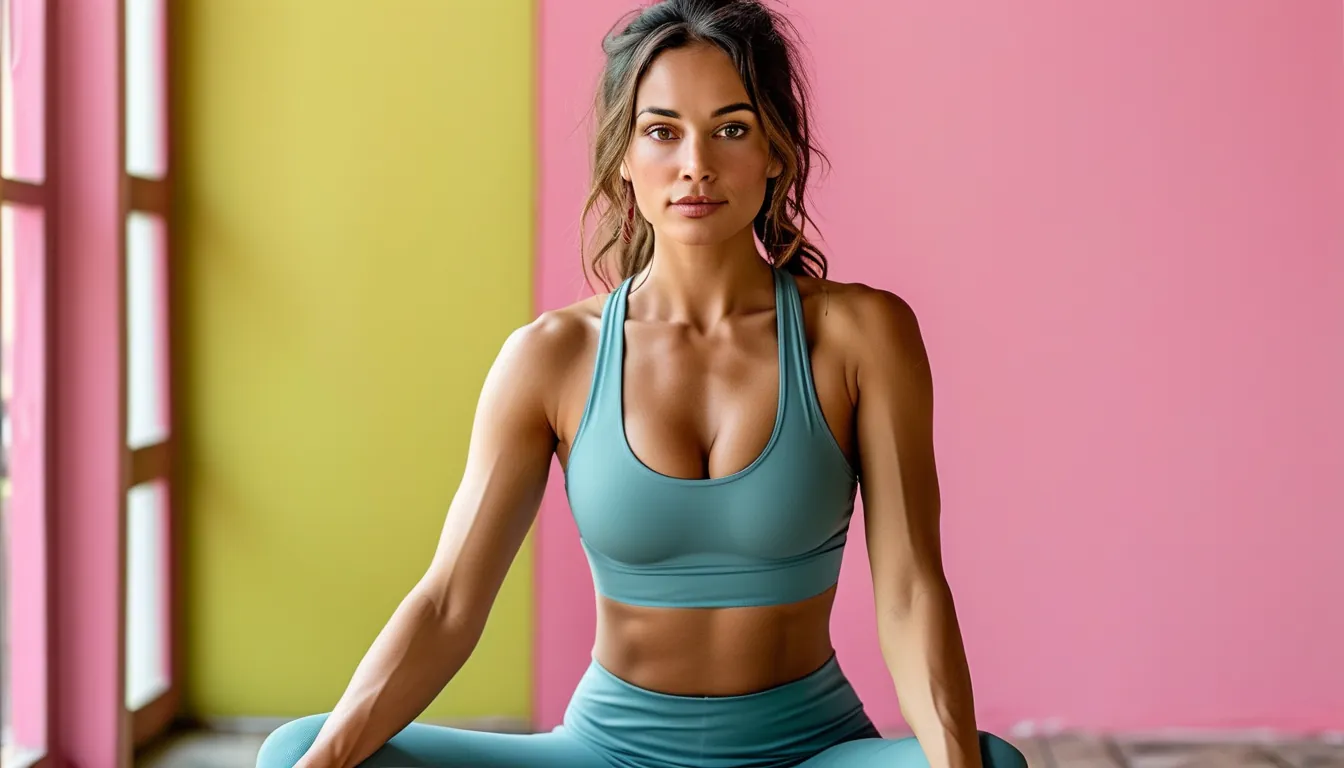
Why Gym Clothes That Fit You Well Have Almost Nothing to Do With the Size on the Tag
Quick Answer: Activewear sizing varies so much between brands — and even between styles within the same brand — that the number on the tag predicts almost nothing about actual fit. Trying pieces on and judging by how they move with you, not the label, consistently produces better results.
You grab your usual size and it fits completely differently than it did in a different brand’s leggings, or even a different style from the same brand. That’s not your body being inconsistent — activewear sizing genuinely isn’t standardized, and the tag was never a reliable guide to begin with.
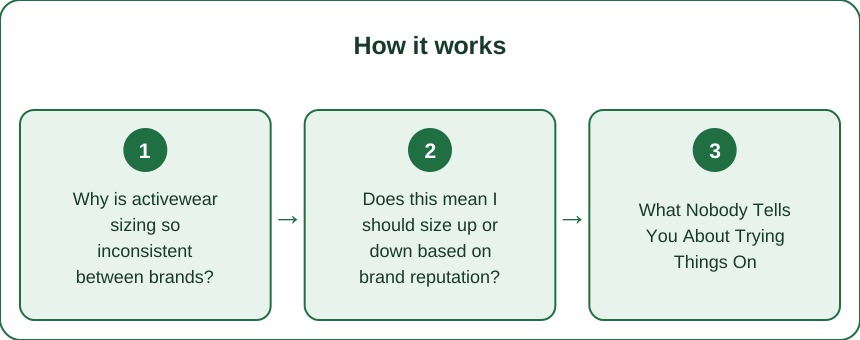
Why is activewear sizing so inconsistent between brands?
There’s no industry-wide sizing standard for activewear the way there loosely is for some categories of clothing — each brand sets its own size chart based on its own fit model and target customer, which means a size medium can represent meaningfully different actual measurements from one label to the next.
Compression-focused brands in particular often size differently than looser-fit brands, since a compression legging is designed to fit snugger by intention, which throws off any assumption that ‘medium’ means the same thing across your whole gym-clothes drawer.
Does this mean I should size up or down based on brand reputation?
Not reliably — brand reputation for ‘running small’ or ‘running large’ shifts between collections and styles too often to be a dependable shortcut. The only consistent method is checking the specific size chart for the specific item, in inches or centimeters, against your own measurements each time.
This takes an extra two minutes per purchase but avoids the frustrating cycle of ordering your ‘usual’ size across five different brands and getting five different fits.
What Nobody Tells You About Trying Things On
The real test of gym-clothes fit isn’t standing still in a mirror — it’s moving in it: squat, reach overhead, twist. A legging that looks fine standing still can dig in painfully at the waistband the moment you squat, and that’s information a static mirror check will never give you.
Many people skip this because trying on activewear feels like it takes longer, but a 30-second movement check in a fitting room saves far more time than the return-and-reorder cycle that follows a bad guess based on the tag alone.
How do you build confidence around sizing without the tag as an anchor?
Shift the mental question from ‘what size am I’ to ‘does this move with me the way I need it to’ — that reframe alone removes most of the shame or frustration people describe feeling about needing a different size than they expected in a specific piece.
Keeping a personal note of your actual body measurements (bust, waist, hip, inseam) makes comparing against any brand’s size chart fast and removes the guesswork entirely, regardless of what number ends up on the tag you actually wear.
FAQ: Activewear Sizing Confidence Questions, Answered
Is it normal to be a different size in every brand?
Completely normal — given how unstandardized activewear sizing is, wearing different labeled sizes across different brands is the expected outcome, not a sign anything is wrong.
Should I trust customer reviews about sizing?
They can help as a general signal (many reviews mentioning ‘runs small’) but should supplement, not replace, checking the actual size chart against your own measurements.
Does this get easier with practice?
Yes — once you’ve checked a handful of brands’ actual size charts against your measurements, you’ll start recognizing which brands’ fit models tend to suit your body, which speeds up future shopping considerably.
TL;DR:
- Activewear sizing isn’t standardized between brands — the tag number predicts very little
- Check the specific item’s size chart in inches, not brand reputation or your ‘usual’ size
- Test fit by moving (squat, reach, twist), not by standing still in a mirror
- Reframe from ‘what size am I’ to ‘does this move with me’ to remove sizing shame
See It in Motion
Seen here: High Waist Yoga Leggings with Side Pockets — shop it on bubblelime.com
Keep Reading
This article is for general informational purposes only and is not medical advice. It is not a substitute for professional diagnosis or treatment. Always consult a qualified healthcare provider about your individual situation, especially before making significant changes to your diet or exercise routine.