Why Confidence at the Gym Tracks Fit More Than It Tracks Size
Gym confidence gets chased through sizing down, but the actual source of self-consciousness during a workout is almost always fit, not the number on the tag, and those are two genuinely different problems. Here’s why fit matters more than size for how confident a workout actually feels, and what to check instead of the label.

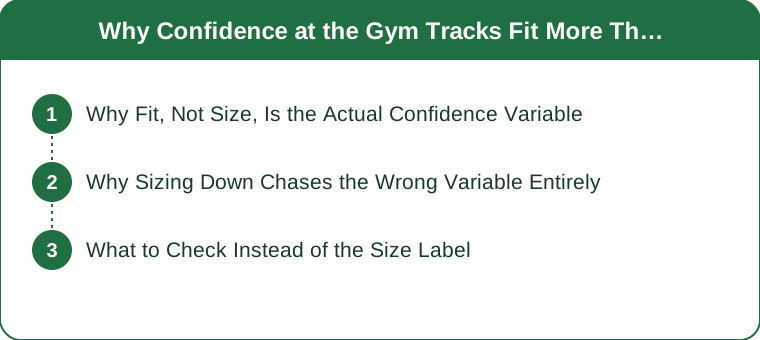
Why Fit, Not Size, Is the Actual Confidence Variable
The real driver: the the-clothing-that-shifts-rides-up-or-pinches-during-movement-creates-constant-self-monitoring-regardless-of-the-size-on-the-tag (the a piece of clothing that requires repeated adjusting, rides up, or digs in during actual movement forcing constant, distracting self-monitoring throughout a workout, an experience that has nothing to do with what size label is sewn into it — the constant-adjusting-not-the-size-number-is-what-actually-erodes-confidence-mid-workout), and the reframe (the discomfort driving self-consciousness being a fit problem occurring during movement, not a size problem visible in a mirror).

Why Sizing Down Chases the Wrong Variable Entirely
The mismatch: the the-choosing-a-smaller-size-for-a-look-doesnt-fix-a-fit-problem-and-often-makes-the-actual-movement-discomfort-worse (the sizing down specifically to achieve a certain appearance frequently increasing the very riding-up, pinching, or restriction that was causing the self-consciousness in the first place, since a smaller size rarely fits the body’s actual movement pattern better — the sizing-down-for-appearance-can-directly-worsen-the-mid-workout-discomfort-driving-the-original-insecurity), and the frame (a strategy aimed at looking a certain way actively working against the goal of feeling more confident during actual movement).
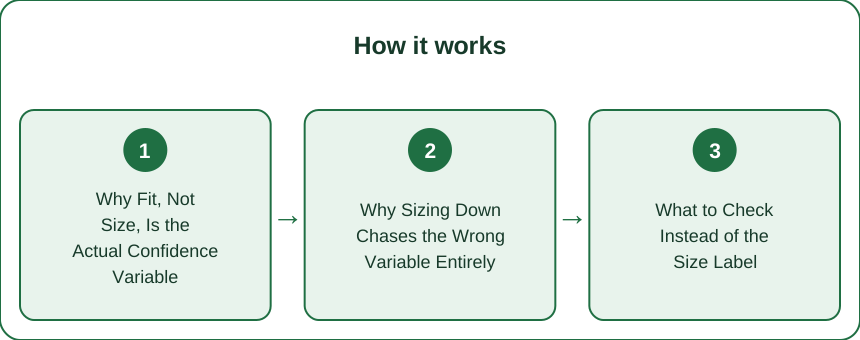
What to Check Instead of the Size Label
The practical shift: the the-testing-a-garment-through-the-actual-movements-of-a-workout-before-buying-reveals-real-fit-in-a-way-a-mirror-check-never-will (the trying on activewear and actually squatting, reaching overhead, and bending in the fitting room rather than just checking how it looks standing still, which reveals whether it will ride up, pinch, or shift once real movement starts — the testing-fit-through-movement-not-a-static-mirror-check-is-what-actually-predicts-workout-confidence), and the frame (this movement-based fit check, done regardless of size, predicting workout confidence far more reliably than any number on the tag)).
The discomfort that actually drives self-consciousness during a workout is clothing that shifts, rides up, or pinches during movement, forcing constant distracting adjustment — and that has nothing to do with the size printed on the tag. Sizing down to achieve a certain look frequently worsens that exact problem, since a smaller size rarely fits the body’s actual movement pattern any better, while testing a garment through real squats, reaches, and bends in the fitting room reveals genuine fit in a way a static mirror check never can, regardless of what size ends up working best.
See It in Motion
Seen here: Yoga Jogger Sweatpants with Pockets — shop it on bubblelime.com
Keep Reading
This article is for general informational purposes only and is not medical advice. It is not a substitute for professional diagnosis or treatment. Always consult a qualified healthcare provider about your individual situation, especially before making significant changes to your diet or exercise routine.