Movement That Doesn't Know It's Exercise: The Joy-First Catalog
Quick Answer: Movement counts whether or not it’s labeled exercise. Three songs of kitchen dancing, a five-kilometer flea market wander, or an hour of playground tag all raise your heart rate and build the same physical adaptations as a class does. Your body logs minutes and intensity — it has no field for “was this a workout.”
Somewhere along the way, movement got rebranded as exercise: scheduled, measured, tracked, faintly punitive, and requiring a specific outfit.
Your body never got the memo. It cannot distinguish between a HIIT class and an enthusiastic kitchen dance. It logs heart rate, muscular work, and duration, and then it adapts. That’s the entire system.
Which means the joy-first catalog counts. All of it.

Does non-exercise movement actually count as exercise?
Yes, and the physiology isn’t in dispute.
Public health guidelines are written in minutes of moderate-intensity activity — around 150 a week — and moderate intensity is defined by what your body is doing, not by where you’re doing it. Brisk enough that you can talk but not sing. Dancing hits that. So does hauling a full grocery bag eight blocks, or spending 40 minutes weeding.
There’s also a whole category researchers call NEAT — non-exercise activity thermogenesis, which is the energy you burn on everything that isn’t sleeping, eating, or deliberate exercise. Fidgeting, standing, walking around a market, carrying things. Across a day it can vary by hundreds of calories between two people with identical gym schedules.
The practical upshot: a week with no gym visits but a lot of movement can genuinely out-move a week with three planned sessions you skipped. The plan you don’t execute scores zero. The flea market scores 5 kilometers.
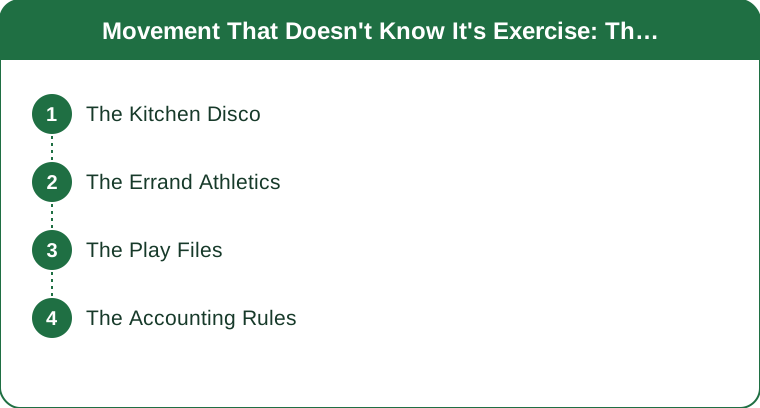
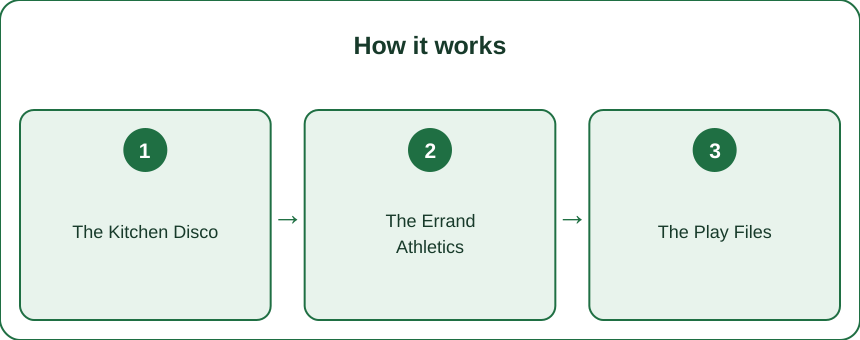
The Kitchen Disco
Three songs is roughly 10–12 minutes at a heart rate most people would recognize from a cardio class. Dinner remains unharmed. The playlist is the program.
It works because there’s no decision cost. You’re already in the kitchen, already have hands free during the 8 minutes something’s simmering, and the barrier to entry is pressing play. Witnesses optional, joy mandatory.
The Errand Athletics
A proper flea market is 5 kilometers of walking with stops — interval training with an antique lamp at the end. Fruit-picking is a squat session with prizes. Garden centers are walking meditation that happens to end with plants you’ll then need to keep alive, which is its own cardio.
The reason this category outperforms gym plans isn’t intensity. It’s attendance. Movement embedded in something you actually want to do has close to a 100% show-up rate, because it doesn’t require discipline — only interest.

The Play Files
Frisbee. Playground tag with a seven-year-old who does not tire. Pool noodle combat. Bowling, badly. Roller skating for the first time in 20 years.
Play is interval training wearing a party hat — short bursts, natural recovery, unpredictable direction changes that ask more of your body than a treadmill ever does. Most adults quit playing at roughly the same age they started “exercising.” Nobody made that trade mandatory.
What Nobody Tells You
Consistency beats intensity by a wide margin. Four 20-minute walks you enjoy will out-perform one heroic 90-minute session you dread and then abandon in three weeks. Adherence is the variable that actually predicts outcomes, and joy is the cheapest adherence strategy available.
Strength still needs some deliberate work. This is the honest caveat. Joyful movement covers cardio, mobility, and daily energy expenditure beautifully. It’s less reliable for progressive resistance and bone density, especially past 40. Carrying heavy shopping, hauling watering cans, and climbing stairs all help, but two short strength sessions a week — 20 minutes, some squats, a row, a carry — fills the gap that dancing won’t.
Comfortable clothes are half the battle. The number of kitchen discos that don’t happen because someone’s in jeans is genuinely non-trivial. A pair of squat-proof high waist yoga pants you’d happily wear to make dinner removes one more small barrier, which is the entire game here.
Tracking can ruin it. The moment you start scoring the kitchen disco, it becomes exercise, and exercise is the thing you’ve been avoiding. Some movement should stay unmeasured on purpose.
FAQ
How much daily movement do I actually need?
Most guidelines land around 150 minutes of moderate activity per week, which is about 21 minutes a day — and it can be accumulated in pieces as short as a few minutes. Two songs here, a 10-minute walk there, and a Saturday market wander get you most of the way without a single scheduled workout.
Does walking count as real exercise?
Yes, when it’s brisk enough that talking is easy but singing isn’t. Walking builds cardiovascular fitness, supports joint health, and burns a meaningful share of daily energy. It’s less effective for building strength, which is why a small amount of resistance work alongside it is worth doing.
Can joyful movement replace the gym completely?
For cardio, mobility, and general daily energy, largely yes. For progressive strength and bone density, not quite — those respond best to loading that gets gradually heavier over time. A realistic setup is joyful movement most days plus two short strength sessions a week.
TL;DR:
- Your body logs movement, not intent — it has no category for “was this a workout.”
- Kitchen dancing, market walking, gardening, and play all hit moderate intensity and count toward the ~150 weekly minutes.
- Joyful movement wins on attendance, which is the variable that actually predicts results.
- Add two short strength sessions a week for the thing dancing won’t cover.
- Don’t track everything. Some movement works better unmeasured.
See It in Motion
Seen here: High Waist Yoga Leggings with Inner Pocket — shop it on bubblelime.com
Keep Reading
This article is for general informational purposes only and is not medical advice. It is not a substitute for professional diagnosis or treatment. Always consult a qualified healthcare provider about your individual situation, especially before making significant changes to your diet or exercise routine.