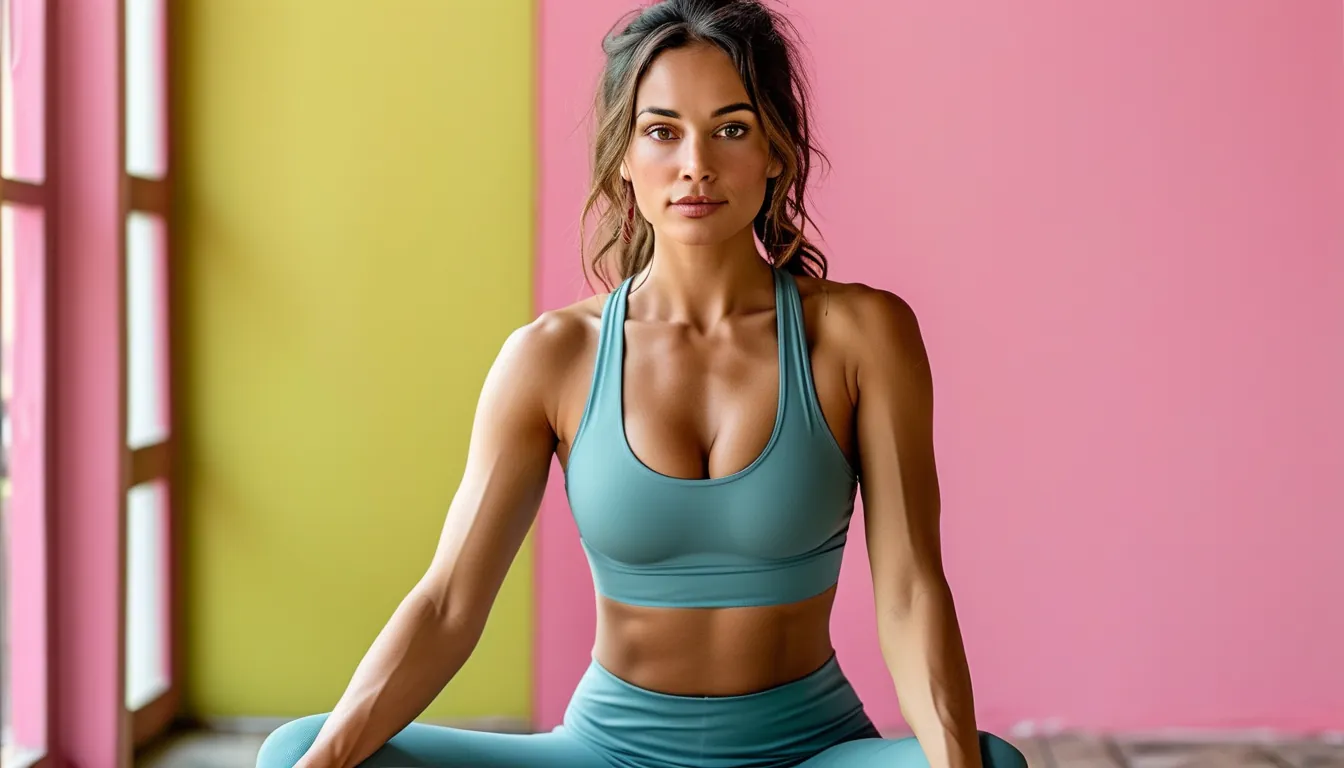
The Progress Photo Comparison Trap — and How to Actually Use Them
Quick Answer: Progress photos backfire when you compare today’s photo to your best photo instead of your starting photo, and when you take them daily instead of every 2-4 weeks. Fix the comparison point and the frequency before deciding photos ‘don’t work’ for you.
You took a progress photo, scrolled back to one from your best week, and felt worse than before you opened the camera roll. That’s not a personal failure — it’s how the comparison was set up. The tool isn’t broken; the reference point is.

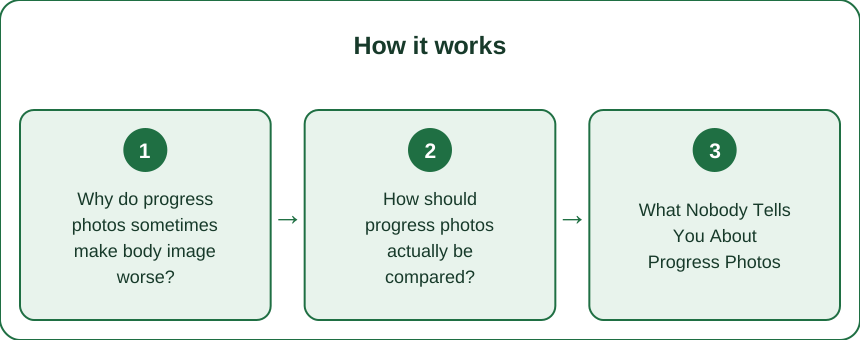
Why do progress photos sometimes make body image worse?
Because daily water retention, lighting, and posture create differences of 5-10% in how a photo looks — swings that have nothing to do with actual progress. When you compare against your single best photo (usually the best lighting and the best day), you’re measuring yourself against a best-case outlier, every single time.
That’s a comparison designed to disappoint, regardless of how well your training is actually going.
How should progress photos actually be compared?
Only ever compare to your starting photo, taken on day 1, and only every 2-4 weeks — not daily, not weekly. Use the same time of day, same lighting, same pose, same clothing each time to remove variables.
If you want a second data point, use waist measurement or how your clothes fit, not the mirror. Photos are one input, not the whole verdict.

What Nobody Tells You About Progress Photos
Here’s the part that rarely gets said out loud: most visible change between two photos taken 2 weeks apart is lighting and water, not fat or muscle. Real visible change typically takes 6-8 weeks minimum to show clearly in a photo, even with consistent training.
If you’re taking photos weekly and feeling nothing has changed, you’re likely just too early in the timeline to see it yet — not doing anything wrong.
Is there a better way to track progress than photos at all?
For many women, yes: a combination of strength numbers (weight lifted, reps completed) and how a specific pair of pants fits gives a more stable, less emotionally loaded signal than a mirror or camera.
If photos consistently leave you feeling worse rather than informed, it’s completely reasonable to drop them and track only performance and clothing fit instead.
FAQ: Progress Photo Questions, Answered
How often should I actually take progress photos?
Every 2-4 weeks is enough to catch real change while avoiding daily noise. More frequent than that mostly captures water and lighting variation.
Should I compare to my best photo or my first photo?
Always your first photo. Comparing to a best-case photo sets up a comparison you can’t win on an average day.
What if progress photos make me feel worse no matter what I try?
That’s valid information — drop them and use strength numbers or clothing fit instead. The goal is a sustainable relationship with your training, not a specific tracking method.
TL;DR:
- Compare only to your starting photo, never your best photo
- Take photos every 2-4 weeks, not daily — shorter gaps mostly show water and lighting
- Real visible change usually needs 6-8 weeks minimum to show up clearly
- If photos consistently feel bad, switch to strength numbers or clothing fit instead
The method should serve you, not the other way around. If photos aren’t working, that’s useful data — not a reason to feel behind.
See It in Motion
Seen here: High Waist Jogger Sweatpants with Pockets — shop it on bubblelime.com
Keep Reading
This article is for general informational purposes only and is not medical advice. It is not a substitute for professional diagnosis or treatment. Always consult a qualified healthcare provider about your individual situation, especially before making significant changes to your diet or exercise routine.